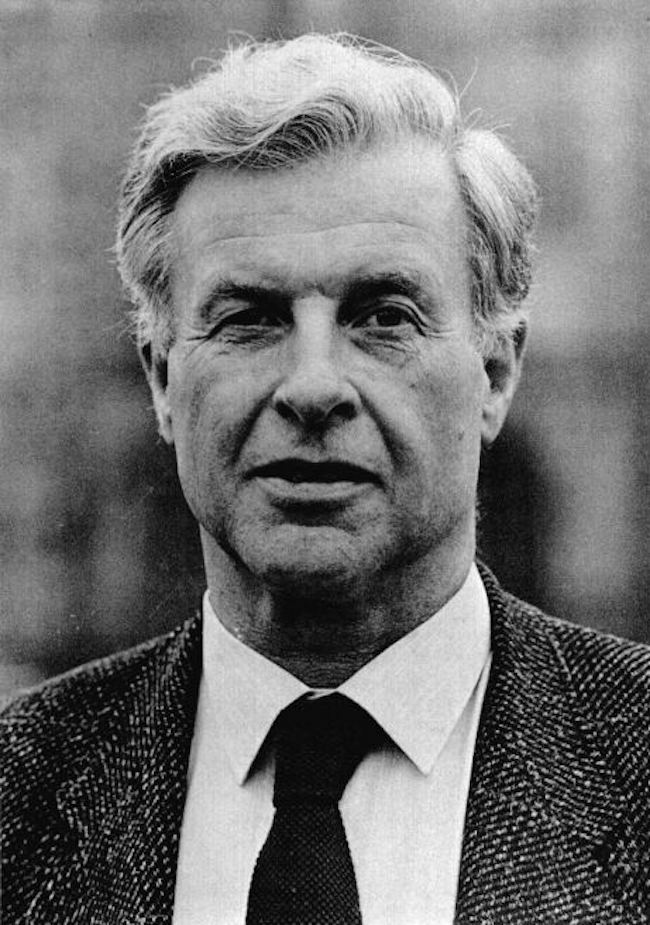
This important study in ethnomusicology is an attempt by the author -- a musician who has become a social anthropologist -- to compare his experiences of music-making in different cultures. He is here presenting new information resulting from his research into African music, especially among the Venda. Venda music, he discovered is in its way no less complex in structure than European music.
Literacy and the invention of nation may generate extended musical structures, but they express differences of degree, and not the difference in kind that is implied by the distinction between 'art' and 'folk' music. Many, if not all, of music's essential processes may be found in the constitution of the human body and in patterns of interaction of human bodies in society. Thus all music is structurally, as well as functionally, 'folk' music in the sense that music cannot be transmitted of have meaning without associations between people.
If John Blacking's guess about the biological and social origins of music is correct, or even only partly correct, it would generate new ideas about the nature of musicality, the role of music in education and its general role in societies which (like the Venda in the context of their traditional economy) will have more leisure time as automation increases.
John Anthony Randoll Blacking (22 October 1928 – 24 January 1990) was a British ethnomusicologist and social anthropologist.
John Blacking was educated at Salisbury Cathedral School and at King's College, Cambridge, where he was a pupil of the illustrious anthropologist, Meyer Fortes.
After serving with the British Army in Malaysia, he was employed by Hugh Tracey in the International Library of African Music (ILAM) and further studied music and culture of the Venda people in South Africa in the 1950s and 1960s. In 1965 he was awarded a Ph.D. (D Litt, rather) from the University of the Witwatersrand for his work on Venda children's songs, and in the same year he was made Professor and Head of the Department of Social Anthropology.
In the field of ethnomusicology, Blacking is known for his early and energetic advocacy of an anthropological perspective in the study of music (others are David McAllester and Alan Merriam
He spent most of his later academic career at Queen's University Belfast, in Northern Ireland, where he was professor of social anthropology from 1970 until his death in 1990. Many of his ideas about the social impact of music can be found in his 1973 book How Musical is Man?. In this highly influential book, Blacking called for a study of music as "Humanly Organized Sound" (that's the title of Chapter One), arguing that "it is the activities of Man the Music Maker that are of more interest and consequence to humanity than the particular musical achievements of Western man",[2] and that "no musical style has 'its own terms': its terms are the terms of its society and culture"
His other books include Venda Children's Songs (1967), one of the first ethnomusicological works to focus directly on the interpenetration of music and culture, Anthropology of the Body (London:Academic Press,1977) and A Commonsense View of All Music: reflections on Percy Grainger's contribution to ethnomusicology and music education (Cambridge: Cambridge University Press, 1989).
The Callaway Centre in University of Western Australia holds an archive of his field notes and tapes, the John Blacking Collection. He wrote and presented a series, Dancing, for Ulster Television. John Blacking House was named in Belfast, in honour of his involvement with the Open Door Housing Association.